THE ISLAND'S TRADITIONAL STAPLE FOOD
La Tahona
The tahona preserves the traditional space and process used to produce gofio, one of the essential foods of Canarian culture.
This is where gofio was made. And this is where you can discover how.
The tahona preserves the space where, for centuries, grain was transformed into one of the staple foods of the Canary Islands. Notice the simplicity of the building: its volcanic stone walls, timber-and-earth roof, and square layout. Nothing is accidental. Every element served a specific purpose, showing how traditional architecture was shaped by the practical needs of everyday work and the careful use of local resources.
How Gofio Was Made
A tahona is an animal-powered mill. A donkey or a camel walked in circles, connected to a wooden shaft that turned the upper millstone over the lower one. Between the two basalt stones—the stationary bedstone and the rotating runner stone—the grain was slowly ground.
Before milling, the grain—wheat, barley or maize—was roasted over the fire in a clay vessel known as a tostador. It was then gradually poured into the tolva (hopper), which fed it into the centre of the millstones to produce gofio.
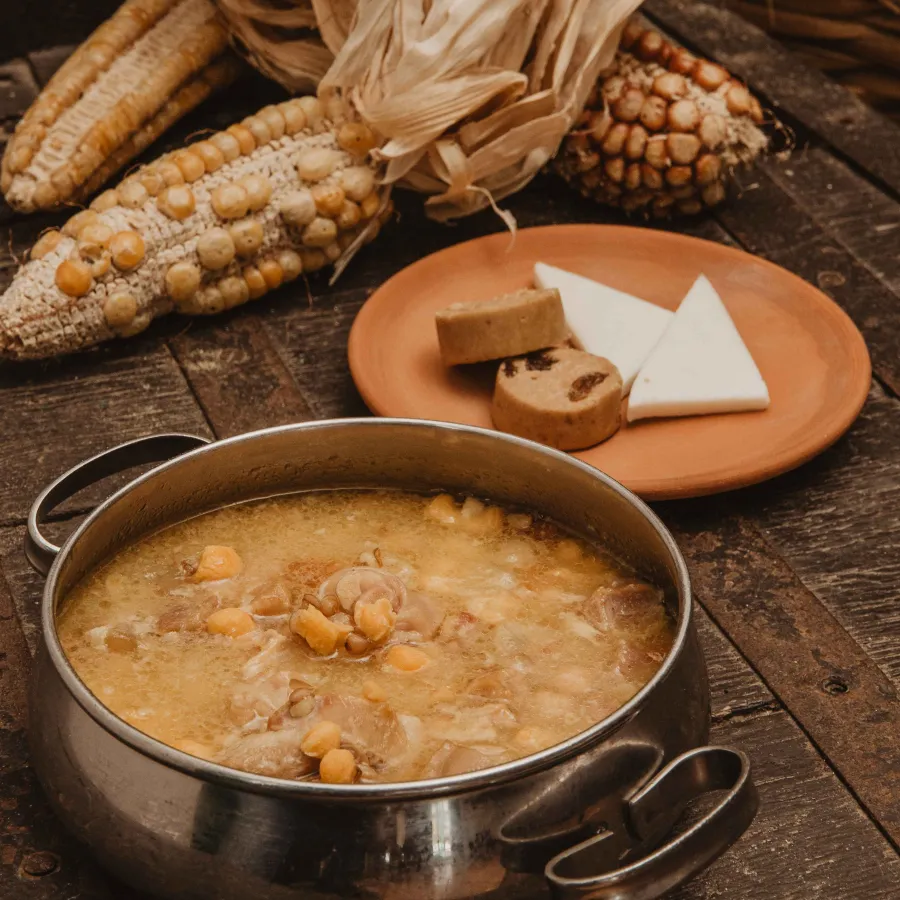
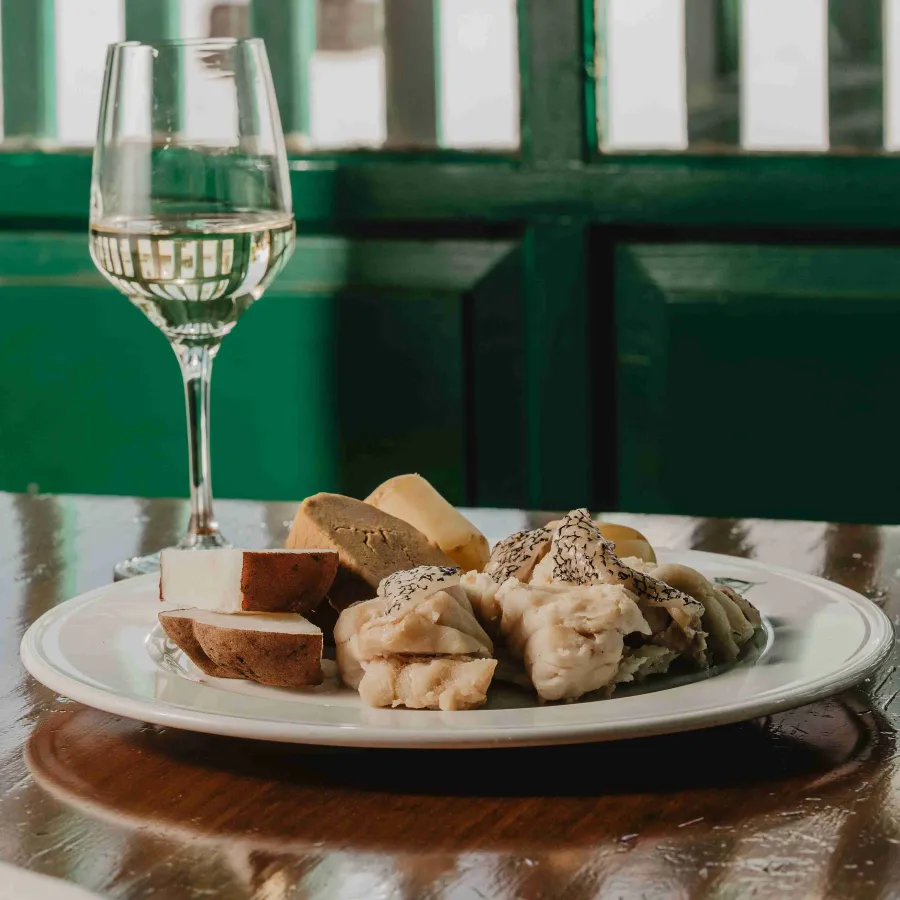
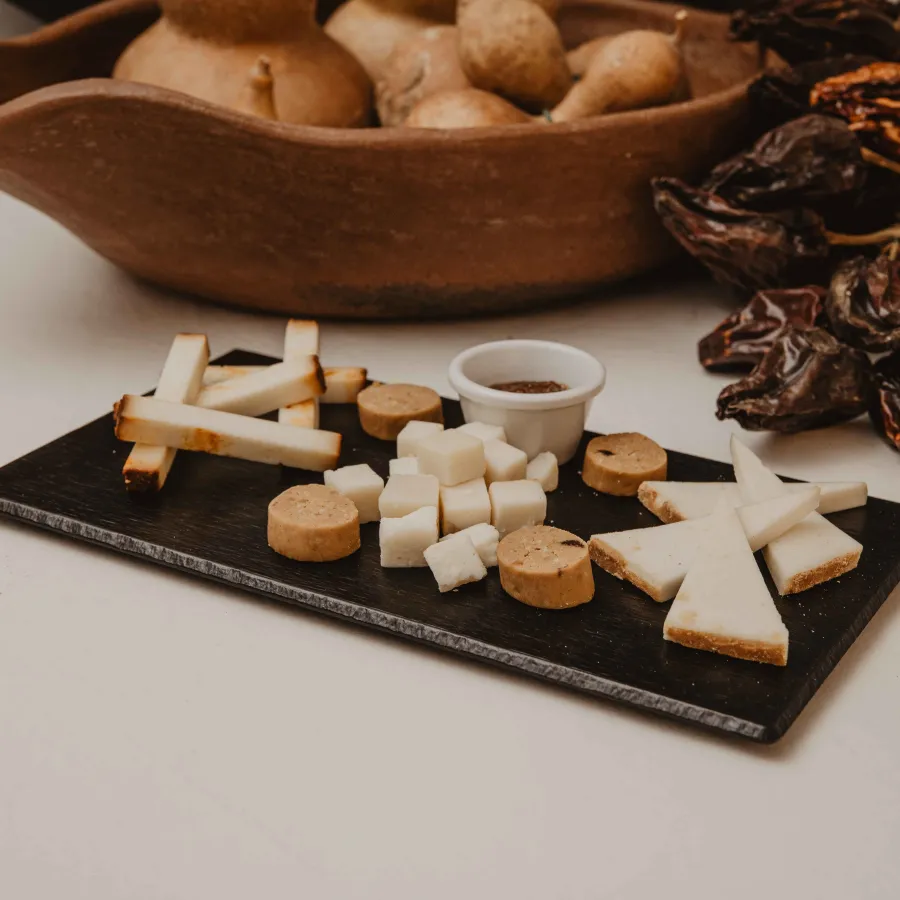
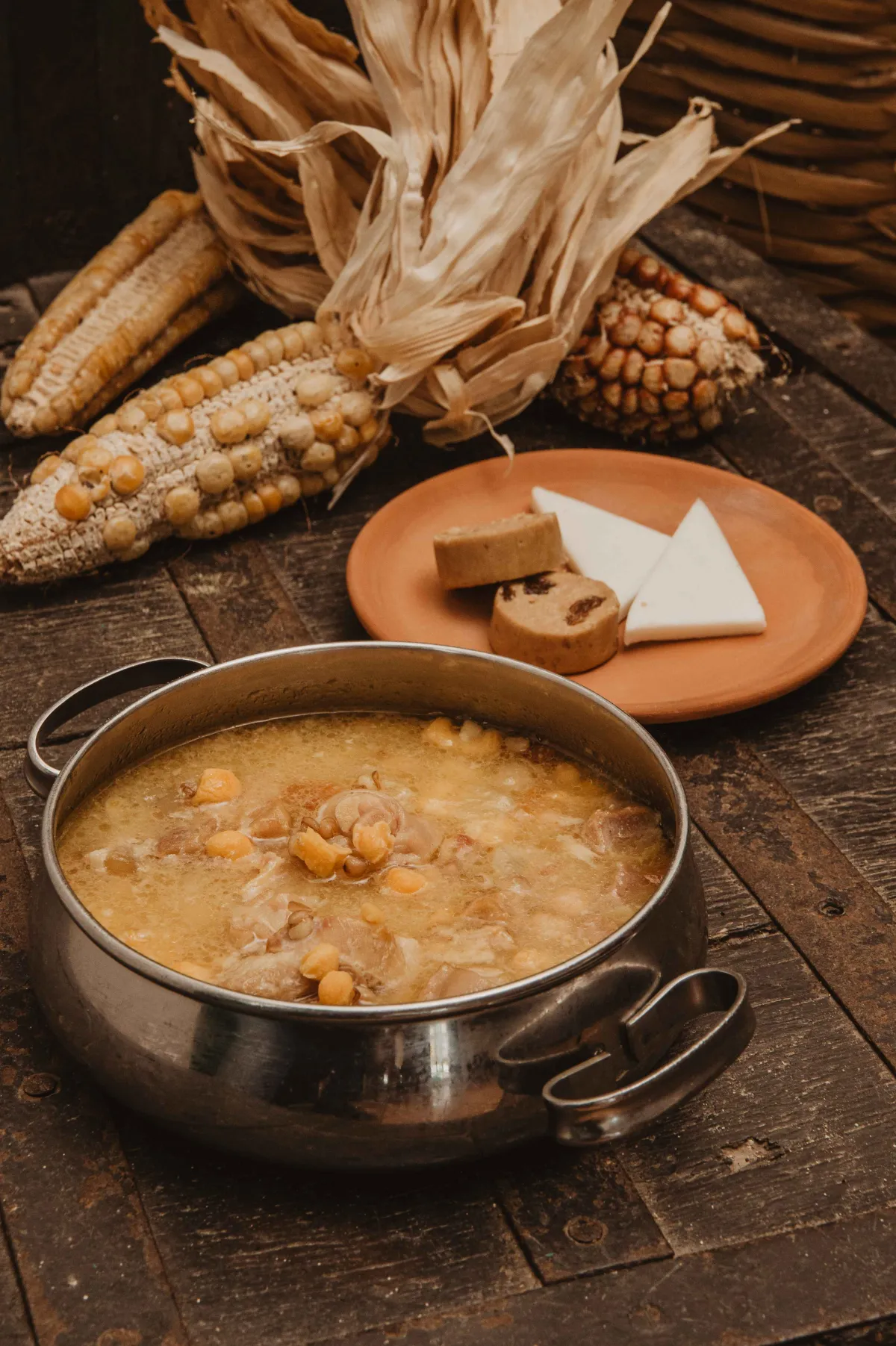
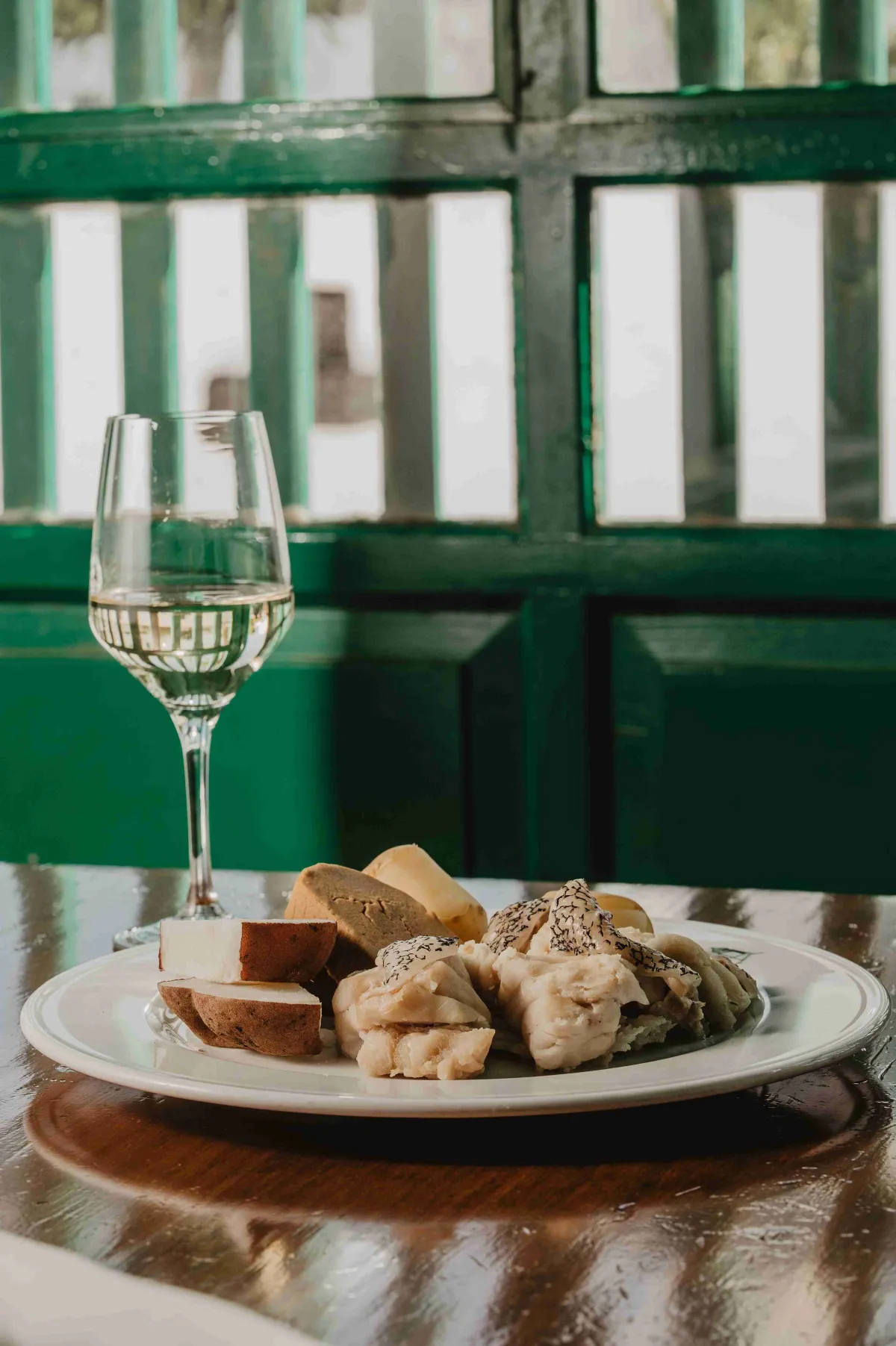
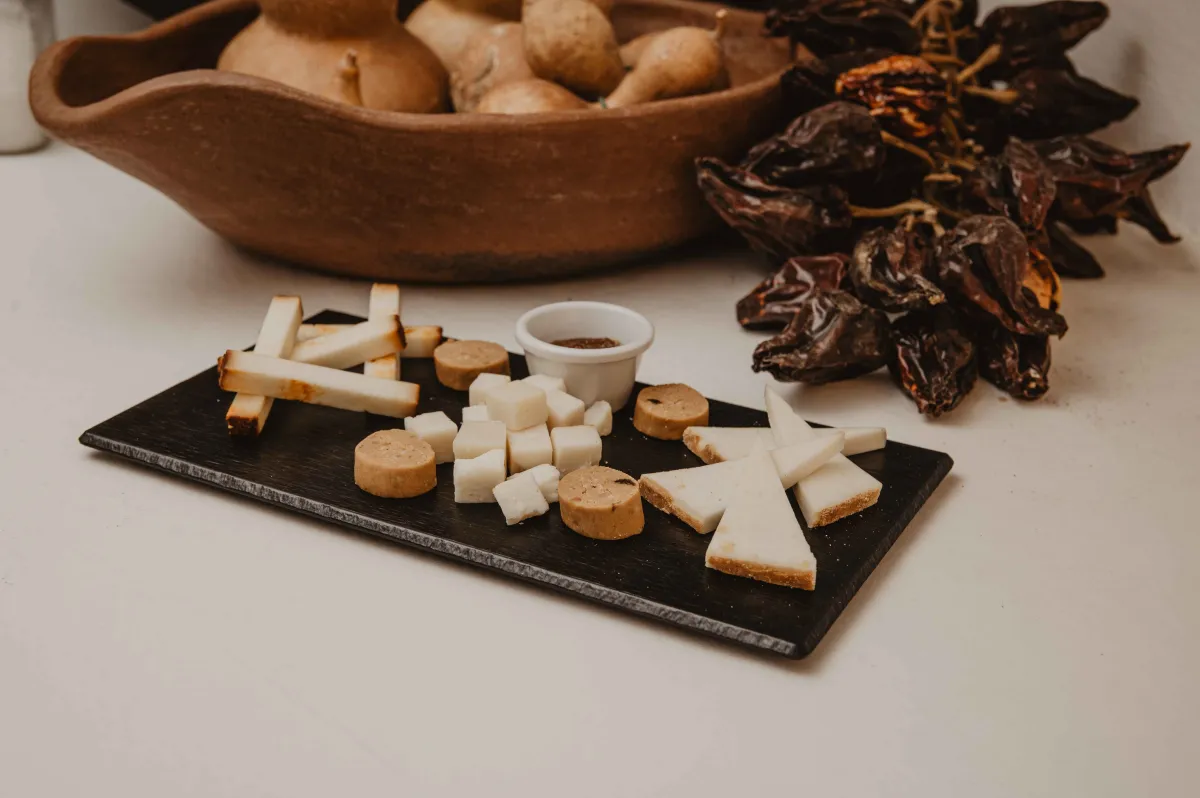
The result was a flour made from toasted grain that, for centuries, formed the basis of the Canarian diet. Today, gofio remains an essential part of Lanzarote's gastronomy and can still be found in traditional dishes such as soups, desserts, pella, or served alongside sancocho.